Two Level I Trauma Centers operate inside a single city, Banner Thunderbird and Abrazo West, giving Glendale the highest concentration of trauma-level care anywhere in the West Valley. The city is one of the most ethnically diverse in the region, with 40.5% Hispanic/Latino and 43% White populations, and a median age of 34.6 years.
For trauma and emergencies, two Level I Trauma Centers split the load: Banner Thunderbird Medical Center, the West Valley's premier facility with 723 physicians across 72 specialties on a 33-acre campus, and Abrazo West Campus at the Glendale-Goodyear border, handling roughly 55,000 emergency visits per year, or about 150 patients walking through that ER every day. Banner Thunderbird's $290 million expansion added a 200-bed tower, heart and vascular center, and surgical suites, and U.S. News rates it high-performing in seven adult procedures and conditions. For maternity, high-risk pregnancy, and NICU care, Abrazo Arrowhead Campus (229 beds, 33-bed NICU, labor and delivery) is also a Blue Distinction Center for Cardiac Care.
The large Hispanic population drives demand for bilingual providers and culturally competent care. Southern Glendale neighborhoods have distinct access challenges compared to more affluent northern Glendale, with lower income levels and higher AHCCCS/Medicaid utilization, so a resident near 51st Avenue and Glendale Road may wait weeks longer for a new-patient appointment than someone near Arrowhead Town Center 12 miles north. Valleywise Health and Mountain Park Health Center FQHC sites in the greater Glendale area provide sliding-fee-scale care for uninsured patients. The sports and entertainment district around State Farm Stadium generates seasonal demand for event medicine and sports injury care.
Glendale has the deepest hospital infrastructure in the West Valley, with two Level I Trauma Centers and a dedicated women's/children's facility. Banner Thunderbird is the anchor for advanced care. The ethnically diverse population creates strong demand for bilingual and culturally competent providers across all specialties. Primary care, OB-GYN, and pediatrics are high-demand given the younger median age. Southern Glendale has more access challenges than the affluent north side.
Banner Thunderbird: Level I Trauma, 723 physicians, $290M expansion completed
Abrazo Arrowhead: 229 beds, 33-bed NICU, Blue Distinction cardiac care
Abrazo West: Level I Trauma, ~55,000 ER visits/year
40.5% Hispanic/Latino population; strong need for bilingual providers
Two Level I Trauma Centers within city limits (Banner Thunderbird + Abrazo West)
Sports and entertainment district drives seasonal event medicine demand
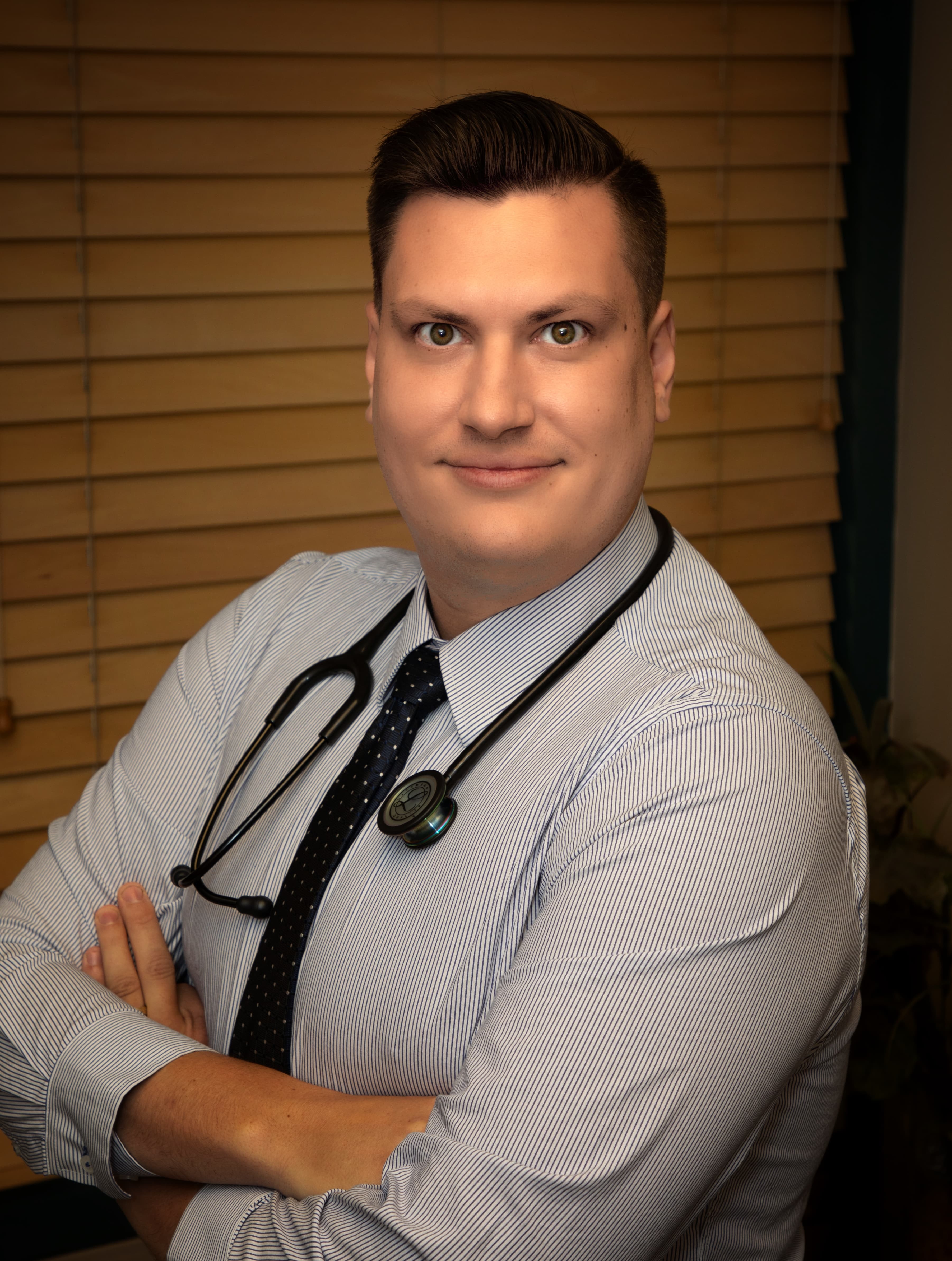
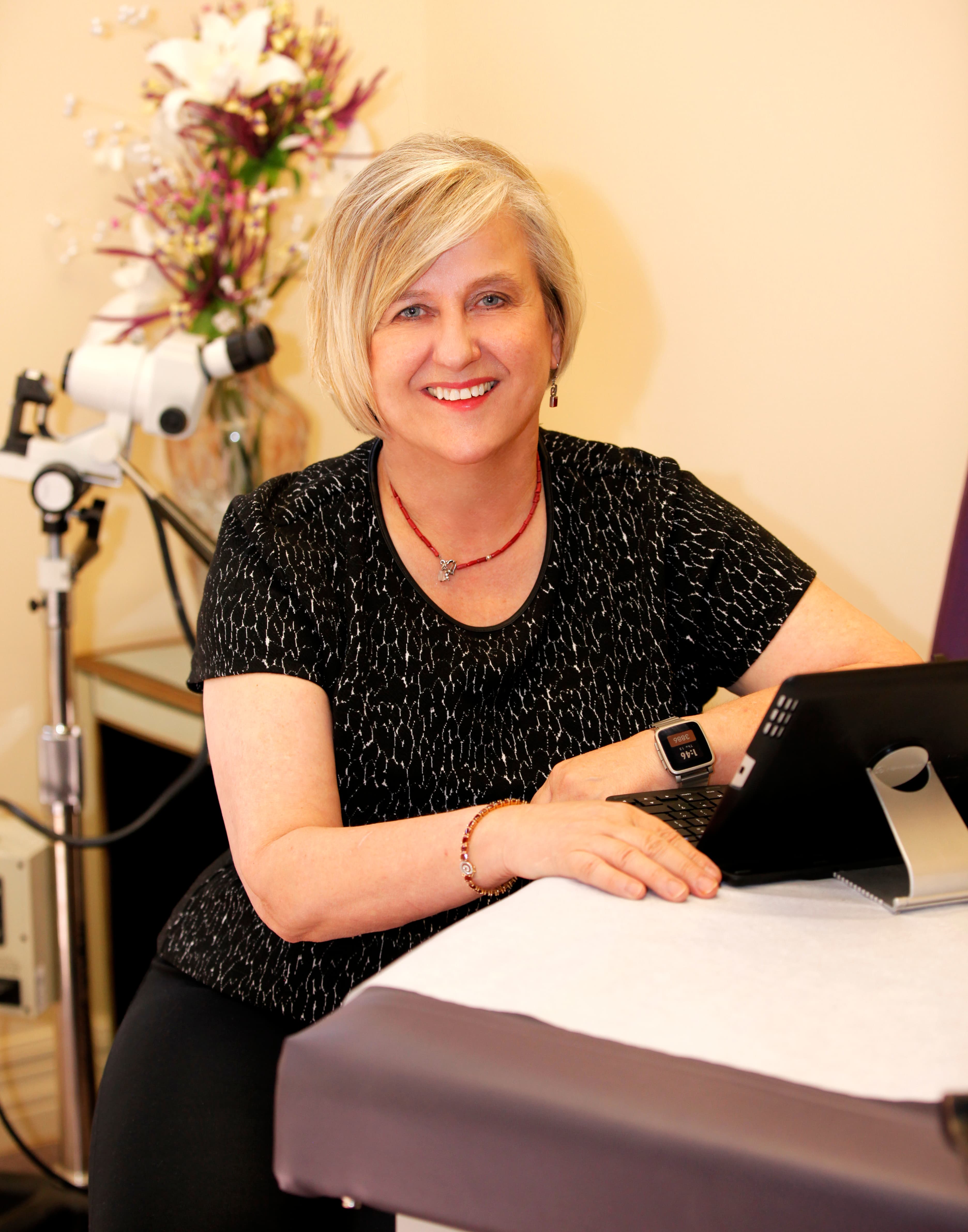
Dr. Sabre's path to women's health started on the East Coast and wound through some unexpected places. After studying biology at Drexel University, he headed to Guadalajara, Mexico for medical school, and it was during clinical rotations that brought him to Phoenix where he first realized OB/GYN was where he belonged. He returned east to complete his residency at Lincoln Hospital in the Bronx, one of New York City's busiest safety-net hospitals, where managing a high volume of both routine and high-risk pregnancies became second nature. The experience sharpened his skills across the full spectrum of obstetrics and gynecologic surgery, with a particular focus on minimally invasive techniques. Dr. Sabre is also a dedicated researcher, with multiple peer-reviewed publications and presentations at national conferences. His research earned him the SOGH Inaugural Future Leaders Award and a CIR Patient Care Trust Fund Research Grant, recognition of the kind of curiosity that keeps him pushing for better outcomes. Now at MomDoc, he's excited to bring that blend of surgical skill, academic rigor, and hands-on clinical instinct to the women of the Valley.
Spanish
Prenatal CareWell-Woman ExamPostpartum Visit+2 more
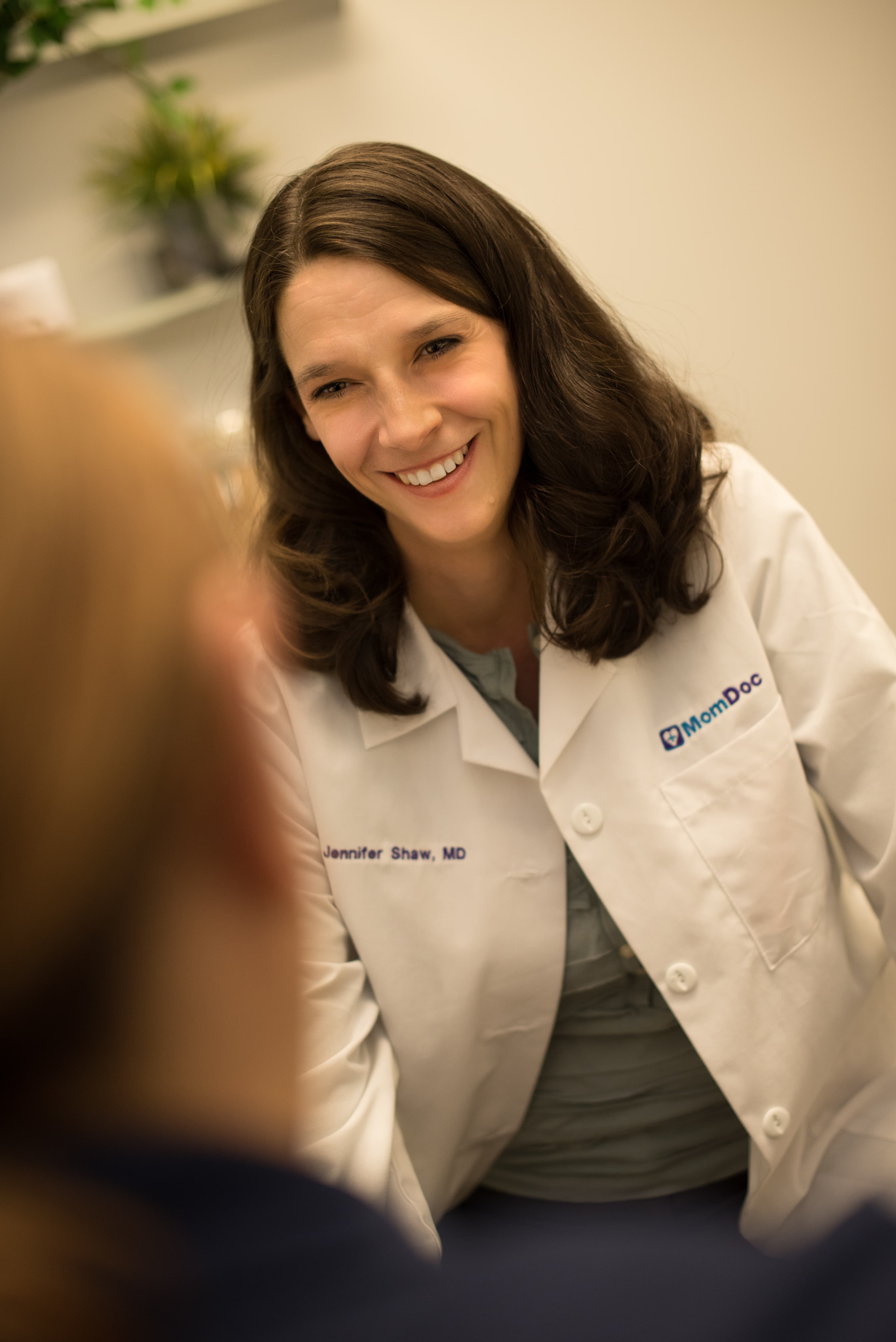
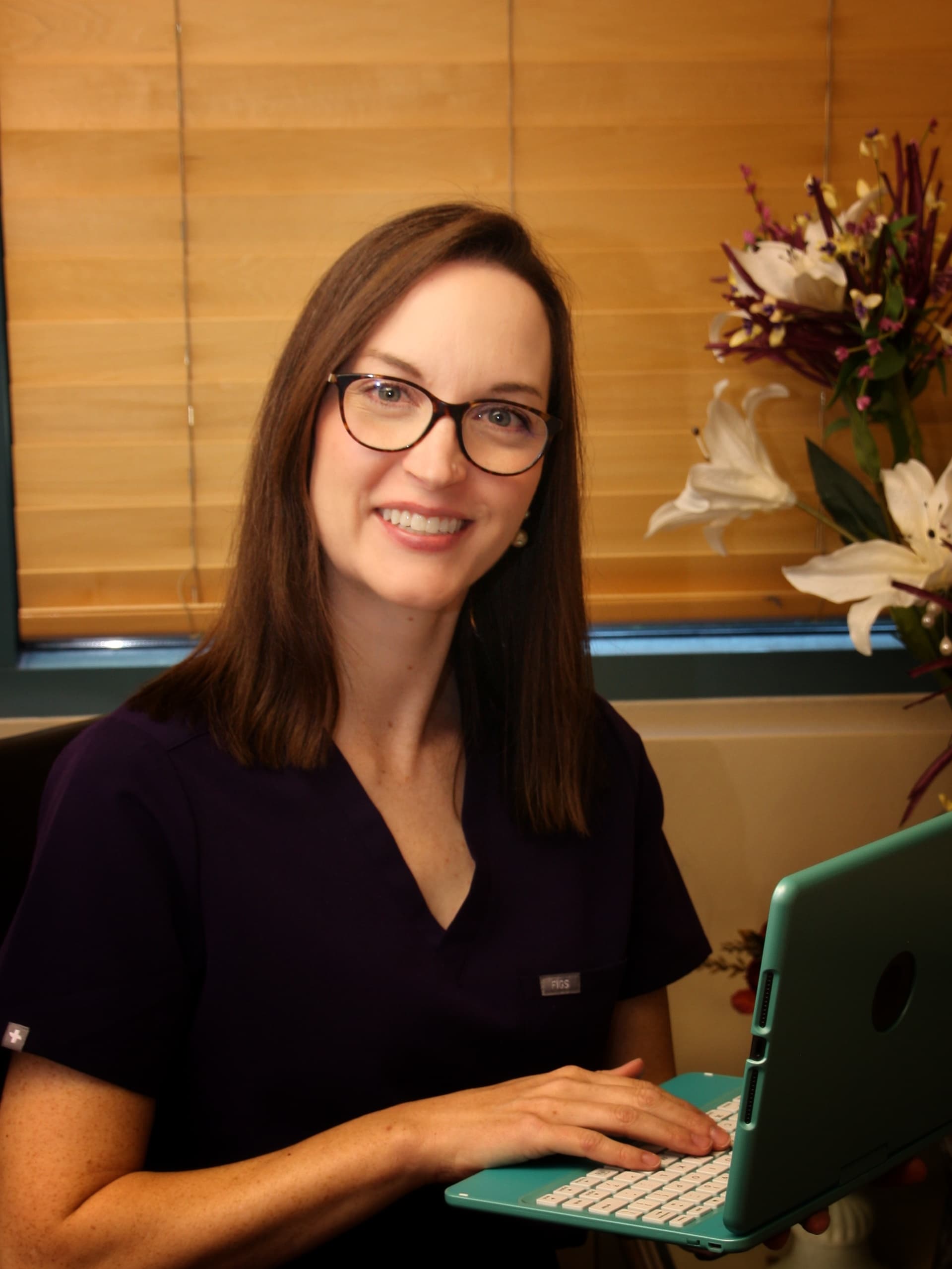
Before Dr. Shaw ever set foot in a medical school, she was running calls as a volunteer paramedic with the Fredericksburg Rescue Squad and teaching math and science to middle schoolers. Both roles shaped the physician she would become: someone who stays calm under pressure and knows how to explain complicated things in plain language. She studied mathematics and biology at Mary Washington College, earned her MD from Eastern Virginia Medical School, and completed her OB/GYN residency at Temple University Hospital in Philadelphia, where she served as Administrative Chief Resident. Her research on thrombophilia-related pregnancy loss and paternal ethnicity as a preeclampsia risk factor has been published in two of the field's leading journals. In Arizona, Dr. Shaw has become a physician leader, steadily taking on roles that let her improve care not just for her own patients but across entire hospital systems. In January 2026, she began a two-year term as Chief of Staff at Banner Ironwood Medical Center, and she chairs MomDoc's Quality Assurance Committee. Through it all, she remains a clinician first, still energized by the daily work of guiding women through pregnancy and gynecologic care.
Spanish
Prenatal CareWell-Woman ExamPostpartum Visit+2 more
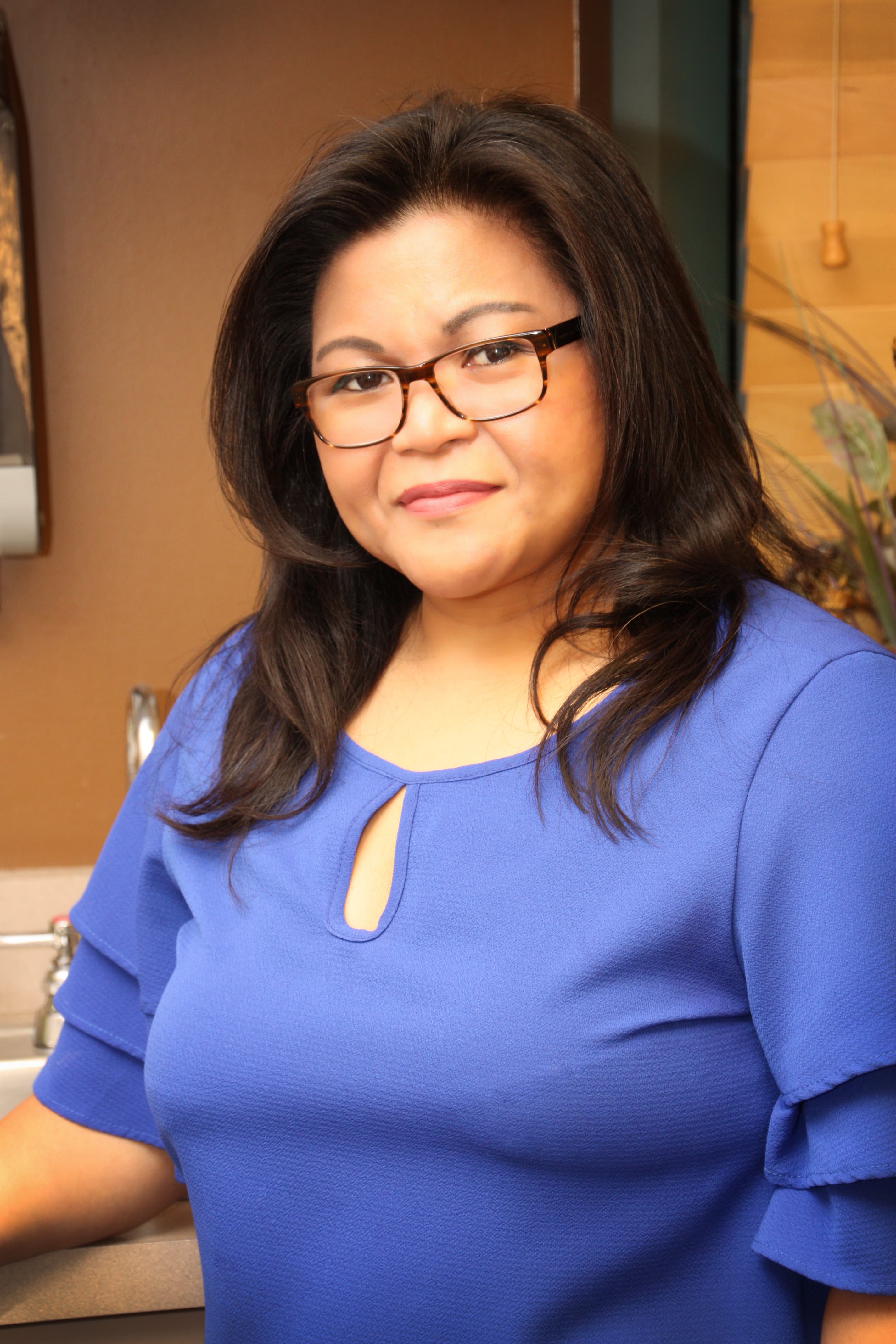
Dr. Sta. Maria's path to medicine started in the research lab. As an undergraduate at SUNY Stony Brook, she fell in love with the precision of biochemistry, but it was the human side of science that ultimately called her to clinical work. She headed to New York University School of Medicine, then completed her OB/GYN training at Long Island Jewish Medical Center and Albert Einstein College of Medicine, where she was named Chief Resident. After more than two decades practicing in Arizona, Dr. Sta. Maria has built a reputation as a physician who takes time to listen, tailoring her approach to each patient rather than defaulting to a one-size-fits-all plan. She describes herself as someone who finds deep satisfaction in the full spectrum of women's health, from guiding a first-time mother through pregnancy to helping a patient navigate complex gynecologic care.
Spanish
Prenatal CareWell-Woman ExamPostpartum Visit+2 more
Liz grew up in Boise, Idaho, and made her way to Utah for her undergraduate years at BYU, where she studied public health and discovered a love for the intersection of patient education and hands-on care. Before PA school, she worked as a Medical Assistant and eventually Lead Medical Assistant at a family medicine clinic, and she served as an Anatomy Lab Teaching Assistant at BYU. Those experiences confirmed what she already suspected: she wanted to be in the room with patients, not behind a desk. Liz completed her PA training at Midwestern University in Glendale, rotating through specialties ranging from emergency medicine to maternal-fetal medicine. It was her women's health rotations that sealed the deal. She was drawn to the way OB/GYN care lets her walk alongside women through every stage of life, from first prenatal visits to well-woman care and everything in between.
Luba's career in women's health began an ocean away. She trained across some of England's most respected hospitals, orthopedic nursing at the Nuffield Centre in Oxford, her registered nurse qualification at the Royal Free in London, and her midwifery certification at Northwick Park in Middlesex. Each stop added a new dimension to her clinical skill, but it was midwifery that captured her fully.
In the early 1980s, Luba made the leap to Arizona and earned her American certification through the College of Nurse-Midwives. More than three decades later, she has built a practice that spans the full arc of women's health, from prenatal care and family planning to hormone therapy and menopausal management.
Perhaps the best measure of Luba's impact is the loyalty she inspires. Many of her patients have followed her from practice to practice over the years, some through multiple pregnancies and into the next chapter of their health. That kind of trust is not earned with credentials alone; it comes from showing up for people consistently, year after year, and treating each visit as if it matters. Because to Luba, it does.
Stephanie's road to women's health started in a place most PAs never begin: the kitchen. She studied dietetics at Point Loma Nazarene University in San Diego and went on to complete her dietetic internship at the VA San Diego Healthcare System, becoming a Registered Dietitian and working in clinical nutrition at Mercy St. Charles Hospital.
But nutrition was only one piece of the puzzle she wanted to solve. Stephanie moved to Toledo, Ohio, to pursue her PA degree at the University of Toledo, where she led the Student Academy of AAPA as president. After earning her master's in biomedical sciences, she traded Midwest winters for Arizona sunshine and brought with her a rare clinical combination: the ability to talk about hormone health, prenatal nutrition, and wellness management with the authority of both a registered dietitian and a certified physician assistant.
That dual lens shapes every patient encounter. Stephanie sees women's health as inseparable from the daily choices we make about how we eat, move, and care for ourselves, and she has the training to back that philosophy with real, actionable guidance.
Glendale has three hospitals: Banner Thunderbird Medical Center (Level I Trauma, largest West Valley hospital), Abrazo Arrowhead Campus (229 beds, 33-bed NICU, cardiac center), and Abrazo West Campus at the Goodyear border (Level I Trauma, 55,000 ER visits/year). Combined, they provide the most comprehensive hospital coverage in the West Valley.
Is there a Level I Trauma Center in Glendale?
Yes, two. Banner Thunderbird Medical Center is a Level I Adult Trauma Center with a newly expanded campus. Abrazo West Campus is also a Level I Trauma Center. This gives Glendale the highest concentration of trauma-level care in the West Valley.
Are there Spanish-speaking doctors in Glendale?
Yes. With 40.5% of residents identifying as Hispanic or Latino, many Glendale practices and hospital systems offer bilingual providers. Use the language filter in our search to find Spanish-speaking providers in the area.
What makes Glendale's healthcare different from other West Valley cities?
Glendale has two Level I Trauma Centers and the broadest specialist coverage in the West Valley. Neighboring cities like Avondale, Buckeye, and Peoria have fewer hospital resources and often rely on Glendale for advanced or trauma-level care.