
Find a Specialist
Imaging & Radiology in Arizona
920 providers found
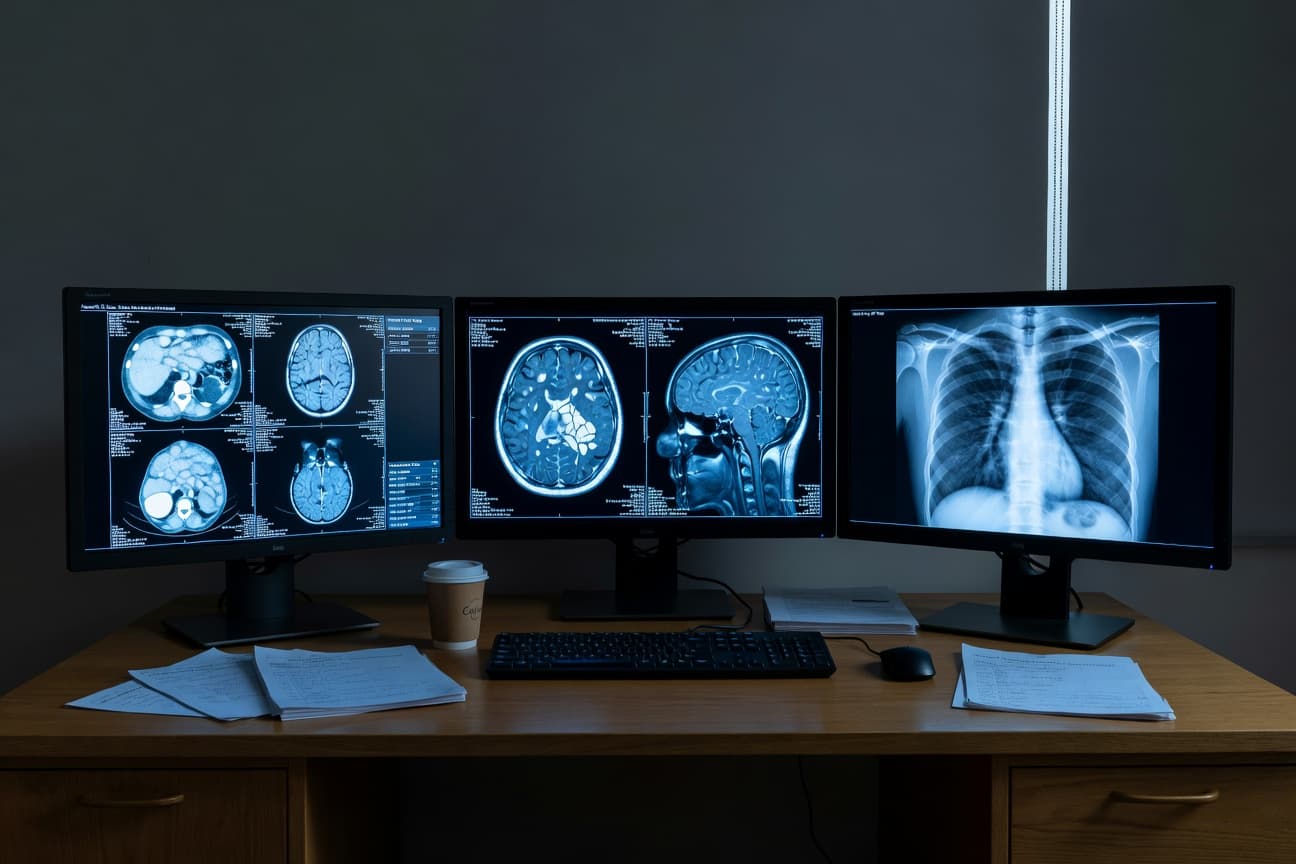
Arizona has a higher density of outpatient imaging centers per capita than most states, driven by a combination of an aging population with chronic disease generating high imaging volumes, a regulatory environment that has permitted independent imaging centers to proliferate, and the economics of a large self-pay and high-deductible market where patients seek lower-cost alternatives to hospital-based imaging. Scottsdale Diagnostic Imaging, Southwest Diagnostic Imaging, and dozens of independent radiology practices have built large outpatient networks across the Phoenix metro and Tucson that handle everything from routine chest X-rays to PET-CT scans for cancer staging.
The most consequential imaging finding in Arizona primary care is the lung nodule, and its management illustrates how local epidemiology reshapes radiology practice. In most U.S. markets, a lung nodule detected incidentally on CT triggers a Lung-RADS scoring process that guides surveillance frequency based on cancer risk. In Arizona, every lung nodule algorithm runs through an additional question: could this be coccidioidomycosis? Valley Fever creates pulmonary nodules and cavitary lesions that are radiographically indistinguishable from early lung cancer on many scans. Arizona radiologists and thoracic specialists have developed protocols that incorporate Valley Fever serology before invasive biopsy, reducing unnecessary procedures in patients whose nodules turn out to be fungal rather than malignant.
Interventional radiology has grown significantly in Arizona over the past decade. Image-guided procedures including uterine fibroid embolization, tumor ablation, vertebroplasty, and hepatic arterial chemoembolization are available at Banner University, Mayo Clinic, and Dignity Health programs in Phoenix, replacing open surgical procedures for selected patients. Rural access to interventional radiology, however, follows the same pattern as other subspecialties: outside the metro areas, these procedures require travel.
Specialties in Imaging & Radiology
Frequently Asked Questions
What types of imaging are available in Arizona?
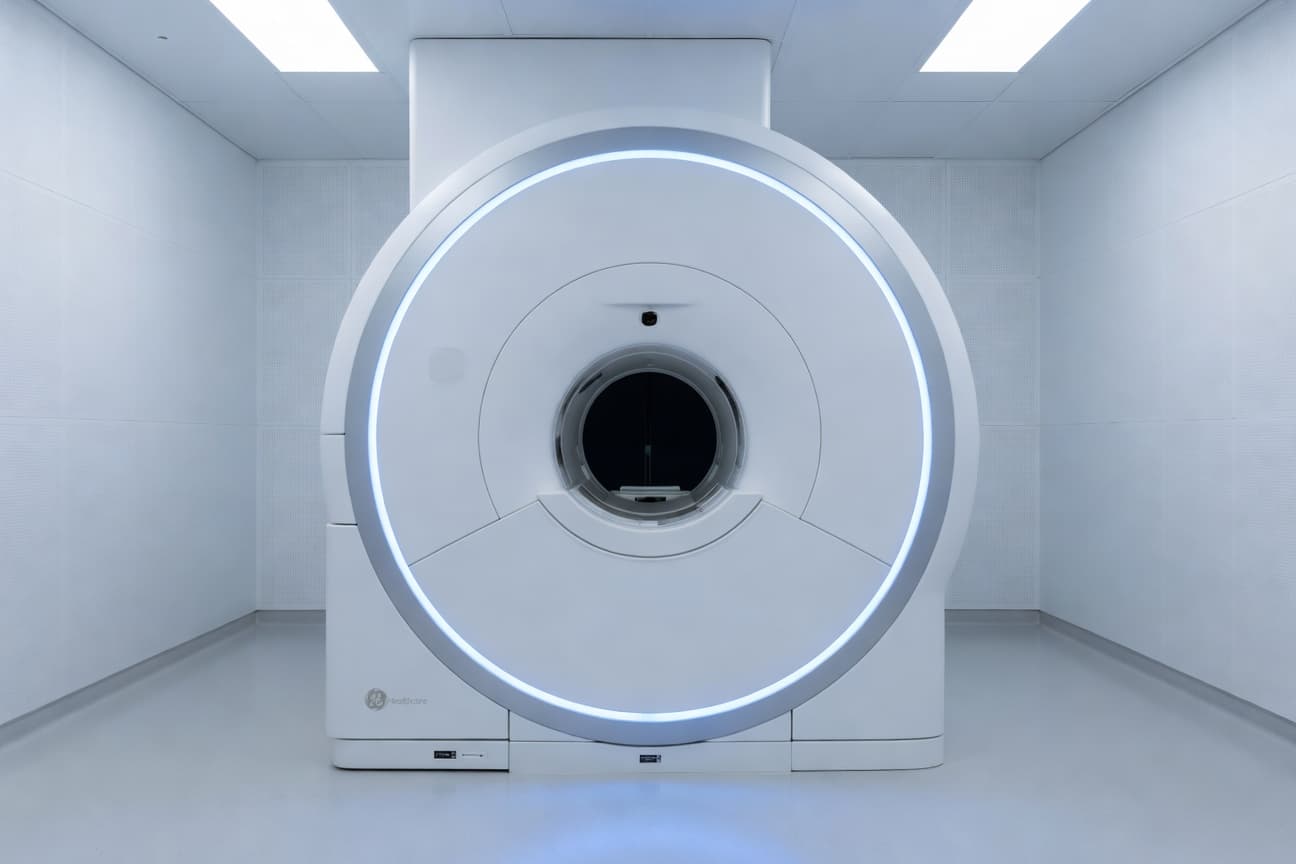
Arizona imaging centers and hospital radiology departments offer plain X-ray, ultrasound, computed tomography (CT), magnetic resonance imaging (MRI), nuclear medicine including PET-CT, fluoroscopy, and mammography. Interventional radiology procedures including biopsies, drain placements, and vascular procedures are available at hospital-based radiology departments. Most outpatient imaging centers focus on diagnostic imaging rather than procedural work.
Why does Valley Fever complicate lung imaging in Arizona?
Coccidioidomycosis creates pulmonary nodules and cavities that look identical to lung cancer or tuberculosis on CT scans. This creates a diagnostic challenge that is essentially unique to southwestern states. Arizona radiologists and pulmonologists routinely recommend Valley Fever serology (Coccidioides IgM and IgG) before proceeding to biopsy for lung nodules in patients with a history of Arizona residency or travel, because a positive serologic result in an appropriate clinical context can confirm the diagnosis without an invasive procedure.
How much does imaging cost in Arizona, and can I reduce my out-of-pocket expense?
Imaging costs vary enormously by facility type. Hospital-based MRI can cost three to five times more than the same scan at an independent outpatient imaging center, and both are more expensive than the cash prices offered by many freestanding centers for self-pay patients. In Arizona, price transparency regulations and the presence of competing imaging networks mean that patients with high-deductible insurance or no coverage can often negotiate significant reductions from the chargemaster rate by requesting cash pricing. Comparing facility fees before scheduling is particularly important for high-cost studies like MRI and PET-CT.
What is teleradiology and how does it affect rural Arizona?
Teleradiology allows X-rays, CT scans, and MRI studies performed at rural or community hospitals to be interpreted remotely by radiologists located elsewhere, often in the same night. This model is essential in rural Arizona, where hospitals in Show Low, Kingman, Globe, and Safford cannot maintain an on-site radiologist 24 hours a day. Teleradiology networks serve most of Arizona's critical access hospitals and allow local facilities to offer after-hours and overnight imaging interpretation that would otherwise be impossible.
Is breast imaging and mammography widely available in Arizona?
Yes. Mammography is available at independent imaging centers, hospital-based radiology departments, and mobile mammography units that serve underserved communities and rural areas. Arizona is above the national average for mammography screening rates among women with insurance, but significantly below average for uninsured and AHCCCS-enrolled women. The Arizona Breast Cancer Screening Program, funded through federal grants, provides free mammograms to income-qualifying women. 3D mammography (tomosynthesis) is available at most major imaging centers in the Phoenix metro and Tucson.