
Find a Specialist
Skin Specialists in Arizona
294 providers found
Arizona has the highest melanoma incidence rate of any landlocked state, and Tucson receives more average annual solar radiation than Miami. Those two facts together define dermatology practice in Arizona more than anything else. The state's combination of intense UV exposure, dry air, retirees with decades of sun exposure before sunscreen became culturally standard, and an outdoor recreation culture creates a skin cancer caseload that shapes how dermatology practices are built, staffed, and specialized here.
Mohs micrographic surgery, the gold-standard technique for removing skin cancers with the lowest recurrence rates, is disproportionately available in Arizona relative to the state's population. The concentration of Mohs surgeons in Scottsdale, Phoenix, and Tucson reflects patient demand but also the economic incentive structure: Mohs is procedure-based, reimbursed at a premium, and draws physicians to high-sun markets. The practical effect for patients is that access to Mohs surgery in metro Arizona is excellent and wait times are shorter than in many states. In rural Arizona, the situation reverses sharply. Kingman, Safford, and Douglas have few or no Mohs surgeons, meaning excisions that would be handled with same-day Mohs in Scottsdale require multi-hour travel or referral to a general surgeon.
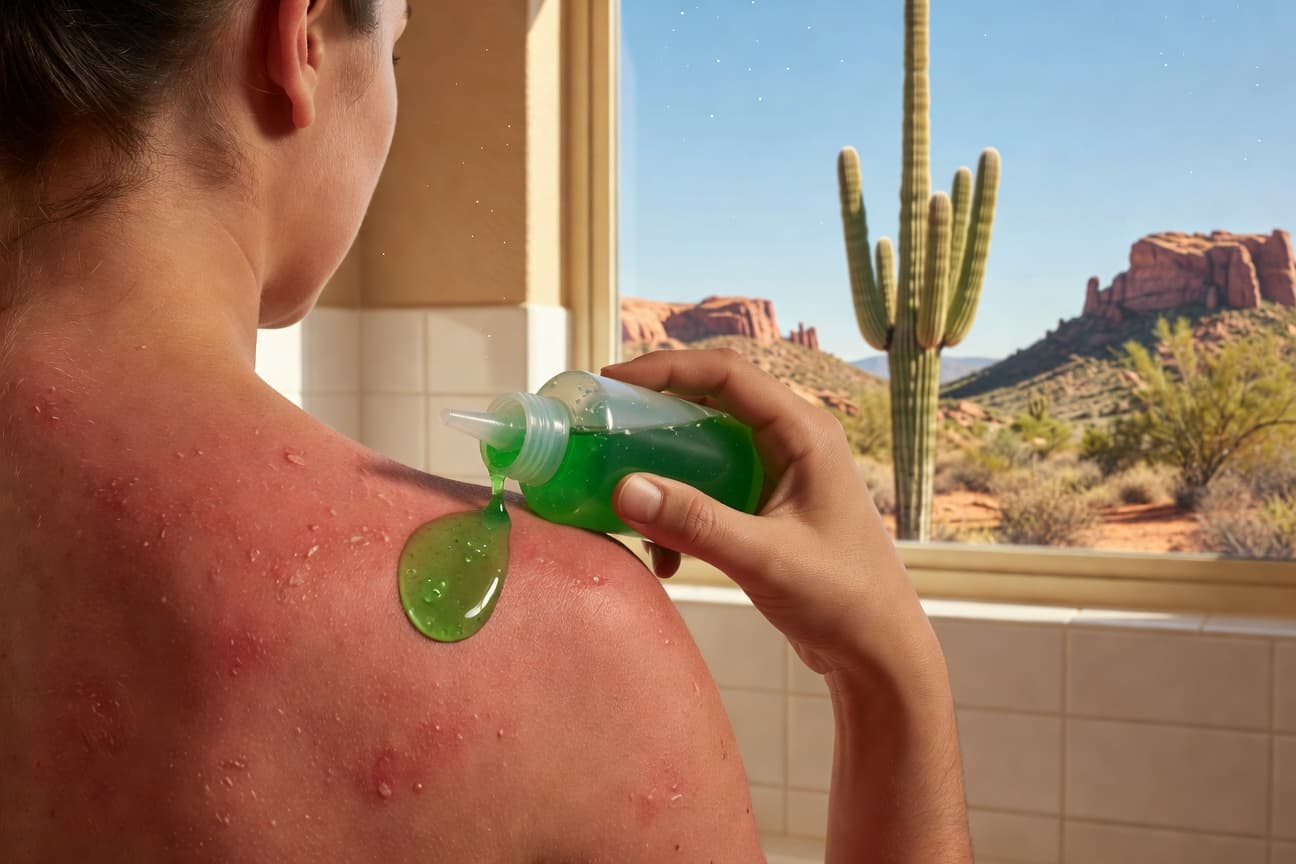
The desert climate creates a second tier of dermatological conditions unrelated to cancer. Xerosis, the medical term for severe dry skin, is endemic among Arizona's elderly population, driven by 5 to 10% relative humidity that strips the skin barrier faster than any moisturizer routine can fully compensate. Psoriasis and eczema flare patterns in Arizona are often the inverse of what northern-climate patients experience: winter months bring relative relief while dry spring winds trigger exacerbations that patients elsewhere associate with cold weather.
Specialties in Skin
Frequently Asked Questions
How often should I see a dermatologist in Arizona?
Dermatologists generally recommend annual full-body skin exams for adults who spend significant time outdoors, have fair skin or a personal or family history of skin cancer, or have had a previous atypical mole or skin cancer. In Arizona, where UV exposure is intense year-round, this recommendation applies to most adults. Those with prior melanoma or multiple atypical moles may need exams every three to six months.
What is Mohs surgery and why is it common in Arizona?
Mohs micrographic surgery removes skin cancers layer by layer, with immediate microscopic examination of each layer's margins. This technique offers the highest cure rate for basal cell and squamous cell carcinomas and is particularly valuable for cancers on the face, scalp, hands, and feet. Arizona has a high density of Mohs surgeons because the state's sun exposure creates exceptionally high skin cancer volumes. Many patients who would wait months for Mohs surgery in other states can be seen within weeks in Phoenix or Scottsdale.
What skin conditions are caused or worsened by Arizona's climate?
Severe dry skin (xerosis) is near-universal among long-term Arizona residents, particularly the elderly, due to extremely low humidity. Actinic keratoses, rough scaly patches that are precursors to squamous cell carcinoma, develop from cumulative UV damage and are a routine finding in adult dermatology visits here. Rosacea, a condition affecting facial blood vessels, is often worsened by both UV exposure and the temperature extremes common in Arizona. Conversely, some patients with psoriasis find the dry heat temporarily reduces their flares.
How do I protect my skin in Arizona's heat and sun?
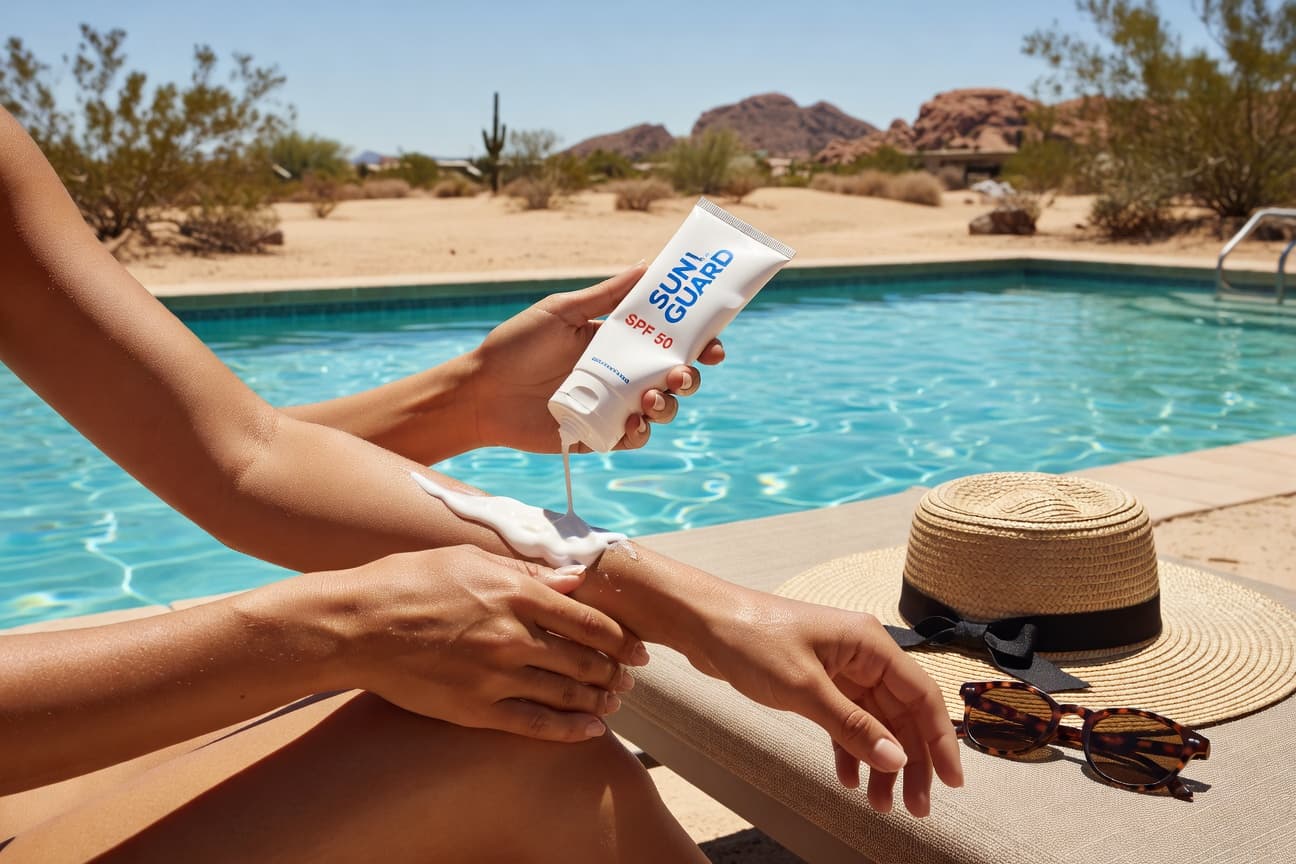
Dermatologists in Arizona recommend SPF 30 or higher broad-spectrum sunscreen applied daily, including in winter when UV index remains significant. Reapplication every two hours during outdoor activity is critical because heat and sweat accelerate sunscreen degradation. UPF-rated clothing, wide-brim hats, and timing outdoor activity before 10 AM or after 4 PM during peak summer months significantly reduces cumulative UV exposure. Seeking shade aggressively between May and September is standard advice from Arizona dermatologists.
Are there dermatologists who see patients on AHCCCS in Arizona?
Dermatology access on AHCCCS is more limited than on commercial insurance, as many Arizona dermatologists have closed their panels to Medicaid patients due to reimbursement rates. FQHCs including El Rio Health and Adelante Healthcare have dermatology services that see AHCCCS patients. For skin cancer specifically, county health departments and some safety-net clinics offer screening programs. Rural AHCCCS members typically access dermatology through teledermatology platforms that allow photo-based triage and specialist consultation without in-person visits.